Braces Emergency? Here's What to Do Right Away
- Not every braces issue is a true emergency. Knowing which tier of urgency you're dealing with helps you take the right action right away.
- Facial trauma, severe bleeding, or a knocked-out tooth requires immediate emergency care, not a call to your orthodontist first.
- Most orthodontic concerns can be safely managed at home until your next appointment, using simple tools like wax, a pencil eraser, or warm salt water.
- Keeping a simple braces survival kit on hand can turn a stressful moment into a manageable one, whether you're at home or on the go.
- Our team is one call away at 757-826-5075 whenever you're unsure. We would always rather hear from you and help you decide.
Table of Contents
- Introduction
- Meet Dr. Curtis Dailey
- The First 30 Seconds: Stay Calm and Assess the Situation
- Tier 1: True Dental Emergencies (Seek Immediate Care)
- Tier 2: Urgent Orthodontic Issues (Call Our Office Within 24 Hours)
- Tier 3: Manageable Issues That Can Wait for Your Next Visit
- Your Braces Survival Kit: What to Have on Hand
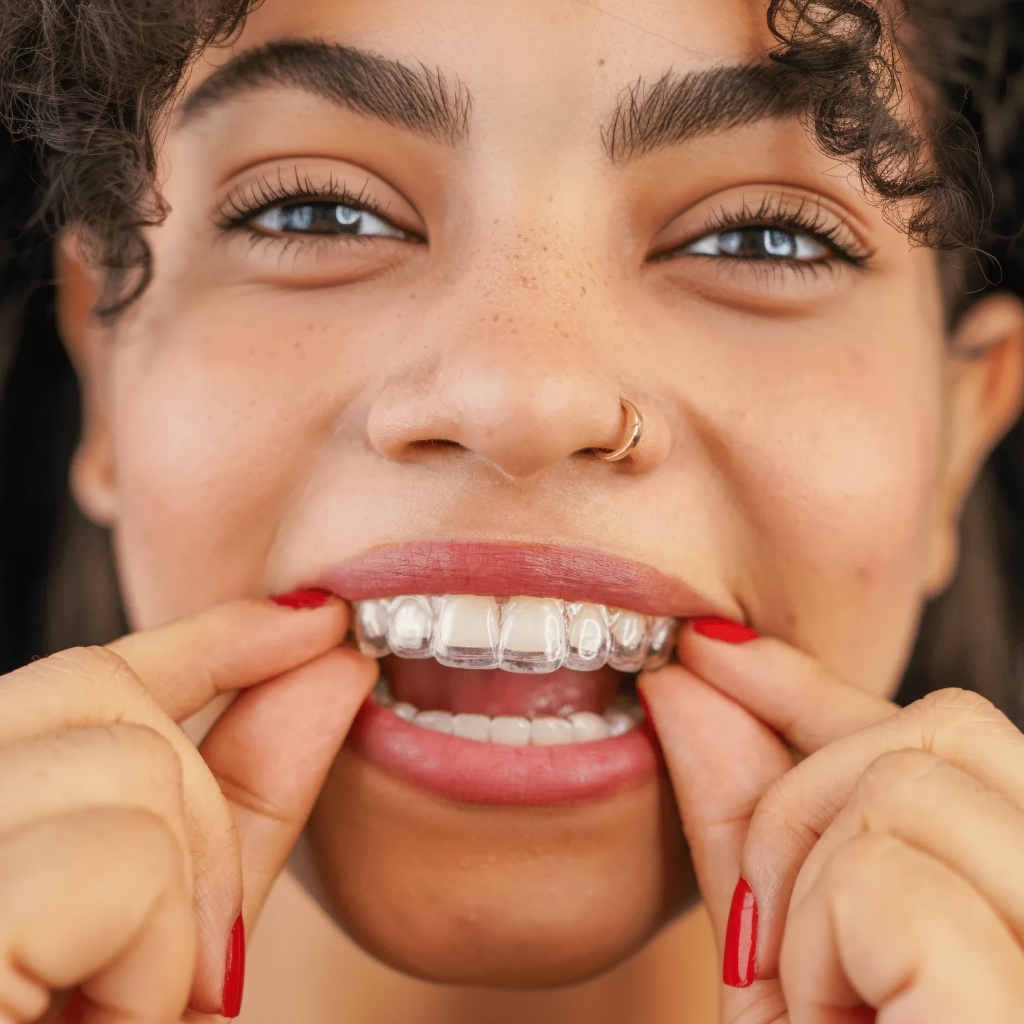
- A Note for Invisalign and Aligner Patients
- A Note for Active Kids and Teen Athletes
- Why Virginia Peninsula Families Trust Dailey Orthodontics
- Conclusion
- Frequently Asked Questions
Introduction
Saturday morning at the soccer field. Your daughter is between games at a tournament in Newport News, and she jogs over to the sidelines with a panicked look. "Mom. Something's poking me. I think a wire broke." Your stomach drops. The office is closed. You don't know if this is a wait-until-Monday situation or a head-to-the-ER situation, and your daughter is staring at you, waiting for an answer.
If you've ever been in that moment, or even just imagined being there, this guide is for you. The good news is that almost every braces concern has a clear, simple answer when you know how to think about it. The bad news is that no one really teaches families how to handle these moments, which is why so many parents end up Googling at 9 p.m. on a Saturday.
At Dailey Orthodontics, we've been caring for Virginia Peninsula families for over 50 years. We see braces concerns of every shape and size, and we've watched our patients become amazingly calm and capable at handling them. The secret is knowing which tier of urgency you're dealing with. This guide walks you through exactly that, and gives you a step-by-step plan for the most common situations so you'll know what to do right away.
Meet Dr. Curtis Dailey
Dr. Curtis Dailey has been creating beautiful, healthy smiles across the Virginia Peninsula since 2002. He completed his undergraduate studies at Hampden-Sydney College, earned his Doctorate of Dental Surgery from the University of North Carolina at Chapel Hill, finished a general dental residency at the University of Virginia, and received his certificate in Orthodontics from The Children's National Medical Center in Washington, D.C.
One thing that sets Dr. Dailey apart is his dual training as both an orthodontist and a pediatric dentist. That means he brings a full understanding of children's dental development to every orthodontic conversation, and he knows what to look for when a young patient comes in with a concern. It's part of why our patients of every age, from elementary schoolers to retirees, feel so at home in our practice.
Dailey Orthodontics was founded by Dr. Dailey's father in 1971, and we have proudly served more than 20,000 patients across Hampton, Poquoson, Newport News, and the entire Virginia Peninsula. With three convenient offices, advanced training in the latest techniques, and a deep commitment to the families we serve, our team is here whenever you need us, including in the moments when something feels wrong with your braces.
The First 30 Seconds: Stay Calm and Assess the Situation
When something feels off with your braces or your child's appliance, the most important thing is not to panic. Most braces issues look more alarming than they actually are. A wire that looks bent. A bracket that has shifted. A small piece of metal that came loose. These all feel like emergencies in the moment, but very few of them actually are.
Take a breath, then ask yourself these three questions:
Is there blood, severe pain, or visible injury to the face, lips, or gums? If yes, this is a Tier 1 situation. Skip to that section below.
Is something broken, loose, or causing real discomfort that won't resolve with simple steps? If yes, this is a Tier 2 situation. Call our office.
Is it mostly annoying or mildly uncomfortable, but not getting worse? If yes, this is a Tier 3 situation. You can almost certainly manage this at home.
Once you know what tier you're working with, the right next step becomes much clearer. Let's walk through each one.
Tier 1: True Dental Emergencies (Seek Immediate Care)
These are the situations that require emergency medical attention, not just a call to an orthodontist. Trust your gut. If your child has been in an accident or sustained a serious injury, your first call is to 911 or your nearest emergency room, not to our office.
TIER 1 Call 911 or Go to the ER Right Now
- Significant facial trauma from a fall, accident, or sports injury
- A knocked-out permanent tooth (place the tooth in milk if possible and seek care within one hour)
- Heavy bleeding from the mouth that does not stop with gentle pressure
- Severe swelling that is interfering with breathing or swallowing
- Any injury where you suspect a broken jaw or facial bone
In these situations, the orthodontic concern is secondary. Get medical attention first. Once the immediate medical situation has been addressed, call our office as soon as possible, and we will coordinate the next steps for your treatment.
Important: If your child's braces appliance is damaged during a trauma, but they have already been seen at an ER, please still call us within one or two business days. We need to evaluate the appliance and ensure treatment stays on track.
Tier 2: Urgent Orthodontic Issues (Call Our Office Within 24 Hours)
These situations are not medical emergencies, but they do warrant a call to our office. We will help you decide whether you need to come in sooner than your next scheduled appointment.
TIER 2 Call Our Office Within 24 Hours
- A bracket that has come fully off the tooth and is sliding along the wire
- A wire that has snapped, become severely twisted, or is poking the cheek so much that wax does not help
- A piece of orthodontic appliance that has been swallowed (call us immediately for guidance)
- An expander or other appliance that has come loose or is causing pain
- Severe pain that does not respond to over-the-counter pain relief or warm salt water rinses
- A retainer that has cracked, broken, or is no longer fitting properly
Call us at 757-826-5075 during regular business hours, and we will work to get you in promptly. For after-hours concerns, leave a detailed message, and our team will respond as soon as we are back in the office.
The most common orthodontic concern reported in a peer-reviewed teaching hospital study was a broken or loose bracket, followed by long, poking wires at 35.2%. The good news: most are easily managed at home until your next appointment.
Source: Al-Hyaly et al. (2022), College of Dentistry, University of Baghdad
Tier 3: Manageable Issues That Can Wait for Your Next Visit
Most braces concerns fall into this category. They are uncomfortable or inconvenient, but they do not require urgent attention. With a few simple tools and techniques, you can comfortably manage them at home until your next scheduled visit.
TIER 3 Manage at Home and Wait for Your Next Visit
- Soreness in the first 2 to 4 days after an adjustment (normal, resolves on its own)
- Mouth sores or canker sores triggered by brackets or wires (saltwater rinses and orthodontic wax help)
- A wire that is poking but can be temporarily covered with wax for relief
- A loose tie (the small rubber band around a bracket) that has slipped out of position
- A bracket that feels slightly loose but is still in place and not causing pain
- Mild irritation from a new aligner tray (typically resolves within a day or two)
Patient Tip: A small piece of orthodontic wax flattened over a poking wire is one of the most reliable, fast comfort fixes in orthodontics. Most braces survival kits include a small container of wax, and if not, every Dailey Ortho office has wax available for our patients.
Not Sure Which Tier You're In? Just Call Us.
Our team would always rather hear from you and help you decide than have you wonder. Call us at 757-826-5075 from any of our Hampton, Poquoson, or Newport News offices, and we will walk you through your next step.
Your Braces Survival Kit: What to Have on Hand
The single best way to feel confident about handling a braces issue is to have a small kit ready. Toss this in a drawer at home, a glove compartment, or a sports bag, and you'll be prepared for almost anything.
1. The Essentials
- Orthodontic wax (multiple small containers if you can — they get lost or used up quickly)
- Soft-tipped tweezers (clean before each use)
- A small handheld mirror for inspecting hard-to-see areas
- A pencil with a clean eraser (the eraser end is perfect for gently pushing a poking wire flat)
- Over-the-counter pain reliever like ibuprofen or acetaminophen (used as directed)
2. Nice-to-Haves
- Salt and a small container for making warm saltwater rinses
- Floss threaders for cleaning between brackets
- An interproximal brush for harder-to-reach plaque buildup
- Sugar-free gum (the kind your orthodontist has approved) for mild pressure relief
- Our office phone number saved in your phone: 757-826-5075
3. For On-the-Go and Athletes
- An orthodontic mouthguard if you or your child plays contact sports
- A small zip-top bag with wax, a mirror, and our phone number tucked into a sports bag
- A spare aligner case for Invisalign patients (so trays don't get lost on the field)
- A backup case at school for kids who carry their own retainers or aligners
A Note for Invisalign and Aligner Patients
Invisalign and other clear aligner patients face a different set of "what now" scenarios than traditional braces patients. The most common concerns we hear about are lost aligners, cracked aligners, and trays that suddenly feel off after a switch.
Here are the most common scenarios for aligner patients and how to handle them:
Lost or broken aligner: Call our office. In most cases, we will instruct you to go back to your previous tray until you can come in for a replacement. Never skip ahead to the next tray on your own.
Aligner feels strangely tight or painful: Some pressure is expected the first day or two of a new tray. If it persists beyond 4 to 5 days, give us a call.
Aligner attachment fell off a tooth: This is a Tier 2 concern. Call our office so we can plan a quick visit to replace it. In the meantime, continue wearing your aligners as directed.
Lost tray on a trip or weekend: Wear your previous tray, call us as soon as possible, and we will help you plan the next step.
A Note for Active Kids and Teen Athletes
Some of our most common emergency calls come from families with kids who play contact sports, do gymnastics or martial arts, or are just generally active. The good news is that braces and sports can absolutely coexist, but a few extra precautions go a long way.
Wear an orthodontic mouthguard for any contact or collision sport
Keep a small braces kit in your sports bag with wax, a mirror, and our phone number
Talk to your coach about how to respond if your child takes a hit to the mouth during practice or a game
Schedule routine check-ins with our team to make sure brackets and wires are secure heading into competition seasons
Keep your aligner case on you at all times so trays don't get accidentally thrown out with a snack wrapper
Honest Truth: Some of the most stressful weekend calls we get are from parents at out-of-town tournaments whose teen athlete had a wire issue. A little preparation goes a long way. We're happy to help you put together a tournament-ready kit at any office visit.
Why Virginia Peninsula Families Trust Dailey Orthodontics
For more than five decades, Dailey Orthodontics has been the trusted orthodontic home for thousands of families across the Virginia Peninsula. Here is what sets our practice apart.
Dr. Curtis Dailey's dual training: Both an orthodontist and a pediatric dentist, with specialty training that brings exceptional depth to every consultation
Over 50 years serving the Virginia Peninsula, with more than 20,000 Dailey Smilers treated across Hampton, Poquoson, Newport News, and beyond
Three convenient offices at all major Peninsula locations, with the same friendly team
5-star ratings from 450+ Google reviews by families who have trusted us across generations
Member of the prestigious Schulman Study Group, an invitation-only association of orthodontists committed to advanced training and exceptional patient care
Complete orthodontic options: traditional braces, ceramic braces, Invisalign, and personalized care for patients of every age
At Dailey Orthodontics, we believe a great orthodontic team isn't just there when treatment is going perfectly. We're there for the unexpected moments too, including the Saturday morning soccer field calls and the late-night "is this normal?" texts.
Conclusion
Braces emergencies almost always look bigger in the moment than they turn out to be. The most important thing you can do is take a breath, identify which tier of urgency you're dealing with, and take the right action right away. Most concerns are manageable at home with a few simple tools. The ones that aren't, we will help you handle from our offices in Hampton, Poquoson, or Newport News.
Save our number, build your braces survival kit, and remember: when in doubt, we would always rather hear from you. Smile Dailey, and reach out anytime.
Three Convenient Virginia Peninsula Locations
Hampton | 2118 Executive Dr. | Hampton, VA 23666
Poquoson | 534 Wythe Creek Rd. Ste. B | Poquoson, VA 23662
Newport News | 729 Thimble Shoals Blvd. #7A | Newport News, VA 23606
All Locations: 757-826-5075
Website: daileyortho.com
Frequently Asked Questions
My child's bracket came off, but it's still on the wire. Is this an emergency?
This is a Tier 2 situation. The bracket itself is not in danger of being swallowed because it is still threaded onto the wire, but it does need to be reattached so treatment can continue on schedule. Call our office at 757-826-5075 during business hours, and we will help you schedule a quick repair visit. In the meantime, if the bracket is causing irritation, cover it with orthodontic wax for comfort.
What if a wire is poking, but I can't make it to your office today?
In most cases, a poking wire can be safely managed at home until you can come in. Use a pencil eraser to gently push the wire flat against the tooth, or cover the poking end with orthodontic wax. If the wire is so long that wax does not help, a clean pair of nail clippers can be used to carefully clip the very end. Call us to schedule a follow-up so we can secure the wire properly at your next visit.
My child accidentally swallowed a piece of their braces. What should we do?
Stay calm. Most small orthodontic pieces will pass safely on their own without complication. Call our office immediately for personalized guidance. If your child experiences coughing, difficulty breathing, or chest pain after swallowing the piece, treat it as a medical emergency and seek immediate care, as inhalation rather than swallowing requires urgent attention.
How soon do I need to come in after a broken or loose bracket?
Most loose or broken brackets do not require a same-day appointment, but they should be addressed within a few days to a week to keep treatment on track. Call us as soon as possible after you notice the issue, and our team will schedule a visit that fits your needs. Delaying too long can extend your overall treatment timeline.
Will my child's treatment be set back if a bracket comes loose?
In most cases, a single loose bracket will not significantly delay treatment as long as it is addressed promptly. Treatment timelines are based on consistent, gentle pressure from the appliance, so any extended period without that pressure can slow progress. The best way to keep treatment moving is to call our office quickly when something is off and to follow your scheduled appointments closely.
What should I do if my retainer breaks?
Stop wearing the broken retainer to avoid injury, and call our office as soon as possible. Continuing to wear a broken retainer can damage your teeth or gums. We will schedule a visit to determine whether your retainer can be repaired or needs a replacement. Until you can be seen, your teeth may begin to shift, so the sooner you can come in, the better.
Sources
- Al-Hyaly, S. A. K., et al. (2022). The effect of COVID-19 on emergencies and pain among orthodontic patients attending a teaching hospital. College of Dentistry, University of Baghdad. Read full study
- Cardoso, P. C., et al. (2024). Orthodontic emergencies and mental health of patients undergoing orthodontic treatment during the COVID-19 pandemic: A questionnaire study. Read full study
- American Association of Orthodontists. Living With Braces: Patient Care Guidance. View AAO patient resources
- American Academy of Pediatric Dentistry. Dental Trauma: Quick Reference Guide for Parents. Visit AAPD parent resources
- Jones, K., et al. (2015). Dental students' experiences of treating orthodontic emergencies: A qualitative assessment of student reflections. European Journal of Dental Education. Read full study
This blog is intended for general educational purposes only and is not a substitute for personalized medical, dental, or orthodontic advice. If you are experiencing a medical emergency, call 911 immediately. For orthodontic concerns, please contact Dailey Orthodontics directly to discuss your individual situation.