
From your first consultation to your final retainer, here is what to expect during your smile transformation.
- A full case of braces at our practice averages 16 to 24 months.
- The appliance you choose does not set the pace. How far your teeth have to travel does. Braces and clear aligners finish comparable cases in comparable time.
- Adjustment visits usually fall every four to twelve weeks, so treatment length is measured in appointments as much as in months.
- Compliance is the one variable patients control. Rubber bands skipped and aligners left in a backpack are the most common reasons a case runs past its estimate.
- Retention never ends. Teeth keep shifting for life, so a retainer is part of the plan, not an optional extra.
Your daughter wants to know whether her braces will be off in time for senior pictures at Kecoughtan High School. Your son is asking whether he will still be in aligners at eighth grade graduation. Almost every family who sits down in one of our consultation rooms asks some version of the same question inside the first ten minutes.
Dr. Dailey has been practicing orthodontics on the Virginia Peninsula since 2002, in a practice his father opened in 1971, and he trained in both orthodontics and pediatric dentistry. Between the two, our team has watched thousands of timelines play out from the first scan to the last appointment.
So here is the honest answer about what happens between the first visit and the last, and which parts of that timeline you can influence.
How Long Does Orthodontic Treatment Usually Take?
On average, our cases at Dailey Orthodontics take anywhere from 16 to 24 months. The AAO puts the broader range at 12 to 24 months for most patients, and the American Dental Association (ADA) describes most people as being in treatment from one to three years.
Those ranges are wide for a reason. Orthodontic treatment is not one procedure with one duration. It is a series of small, planned tooth movements, and the number of movements your bite needs is what determines the calendar.
A patient closing a single gap between two front teeth and a patient correcting a deep bite while three permanent teeth are still erupting are on entirely different schedules, even though both are wearing braces.
What the Timeline Looks Like, Visit by Visit
Appointments make up a treatment plan, and the sequence is more predictable than most families expect.
The consultation. Your first visit is free. We take a 3D digital scan, review the bite, and give you a treatment plan with an estimated length. If you want to start the same day, you often can.
The starting appointment. Braces are placed, or your first set of aligners is delivered. The AAO notes this is usually the longest visit of the whole case. After that, the appointments get shorter.
The working phase. This is the middle. Teeth move a fraction of a millimeter at a time between visits, and we adjust the force at each appointment to keep them moving safely.
The finishing phase. Once teeth are close to their final positions, the work shifts to detail: how the bite comes together, how the midlines line up, how the teeth look when you smile. This stage is slower than it looks, and it is the difference between straight and finished.
Retention. Braces come off, or aligners end, and a retainer goes in. Treatment is over. Keeping the result is not.
If you want a closer look at that first appointment, we walk through it in detail in what to expect at your new patient consultation.
How Often Are Orthodontic Appointments?
Most patients come in every four to twelve weeks. Early in treatment, visits tend to sit at the shorter end of that window. As teeth settle, appointments usually spread out.
That interval matters more than families expect. Treatment progresses in steps, and each step needs an appointment to trigger the next one.
A case that misses two visits in a semester does not pause for two visits. It usually stretches by more than that.
Do Clear Aligners Work Faster Than Braces?
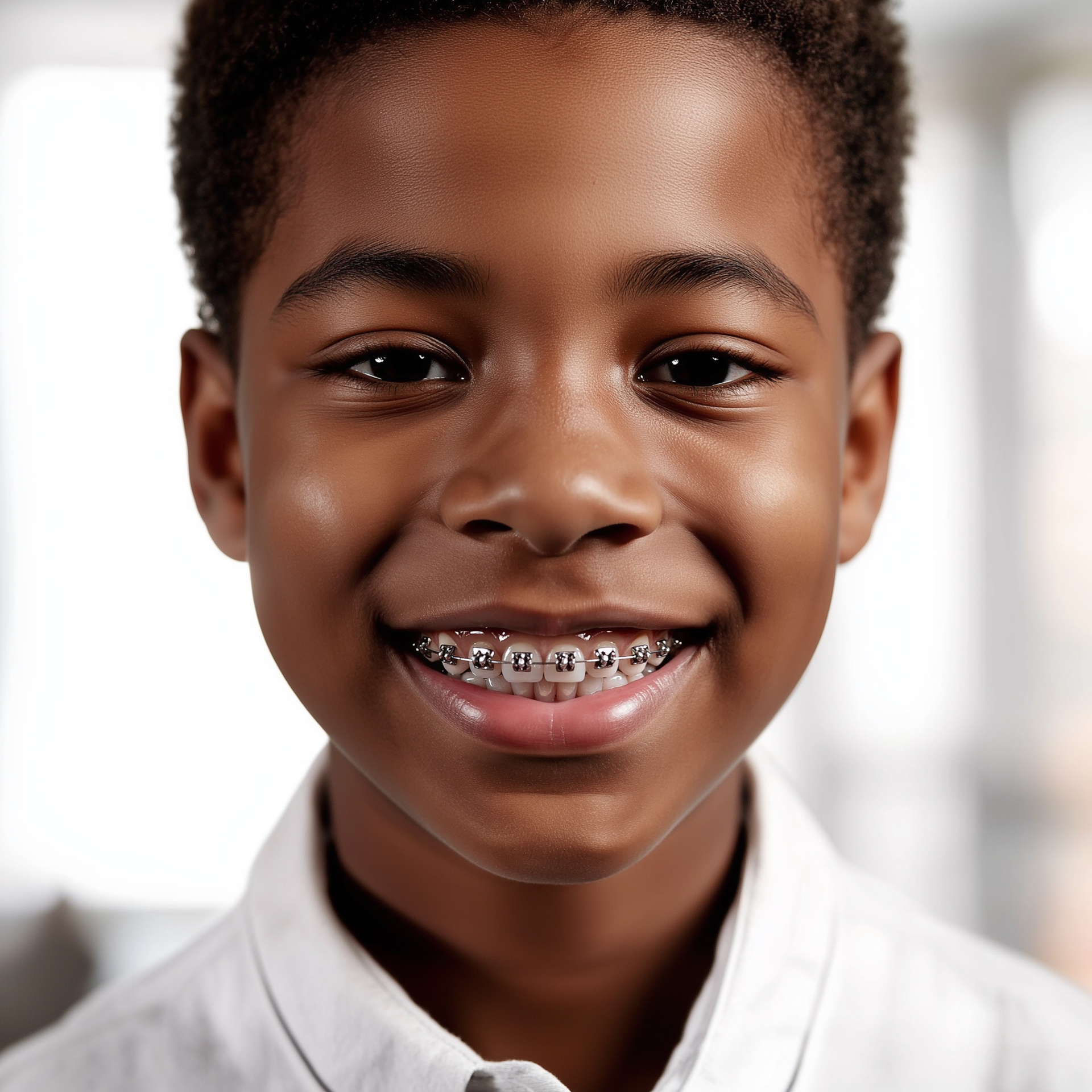
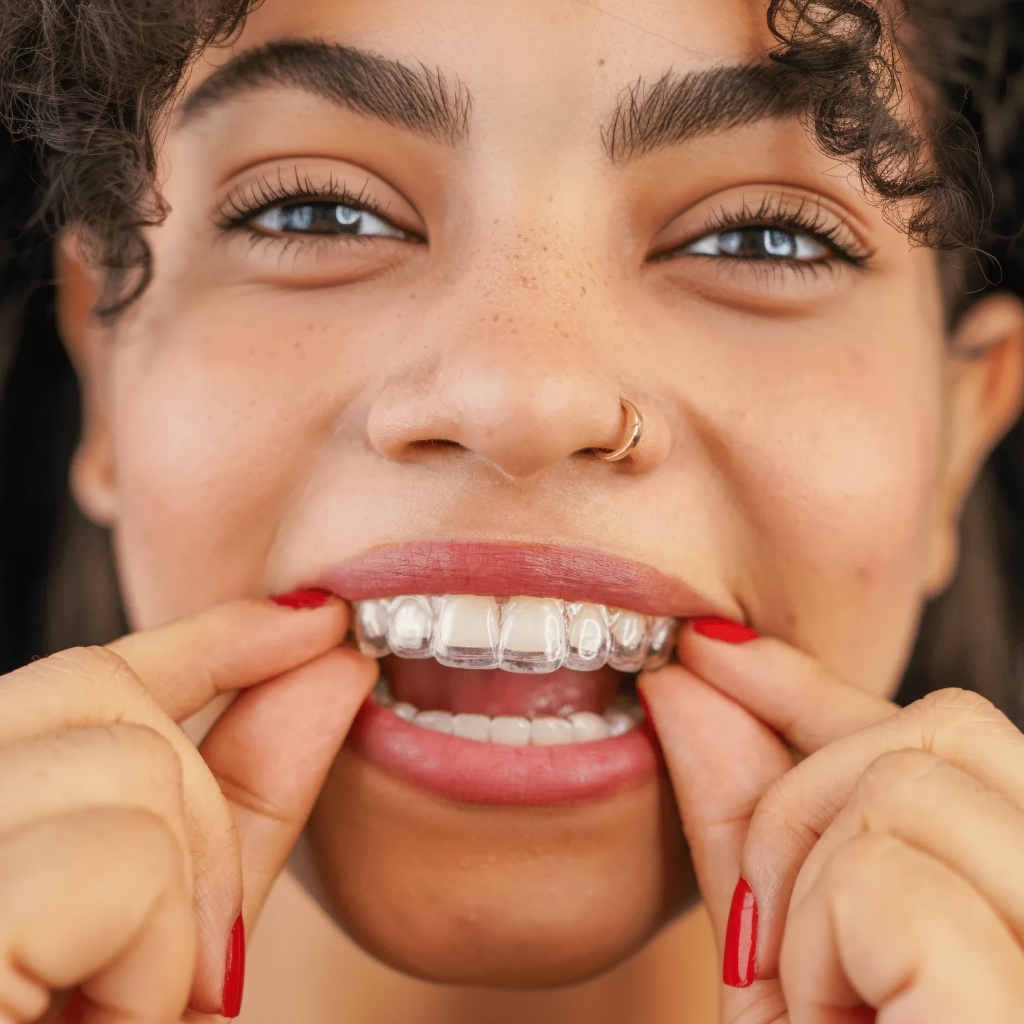
Not automatically. For comparable cases, braces and Invisalign finish in about the same time. The appliance changes the experience, not the biology.
Aligners can feel faster because check-in visits are often spaced further apart, so you spend less time in our chair. That is a real advantage for a working adult or a student in a packed season. It is not the same as a shorter case.
Where the two genuinely differ is who holds the schedule.
The same principle applies to our in-house BOOST aligners, which are worn on the same 22-hour schedule with a new set roughly every two weeks.
What Makes Orthodontic Treatment Take Longer?
Five things account for most of the variation we see, and only one of them is fully within a patient’s control.
- How far the teeth have to move. Rotations, significant crowding, and closing an extraction space all take real time.
- Whether the bite has to change. Correcting how the upper and lower jaws meet is a bigger job than aligning the teeth you can see when you smile.
- Growth and eruption. In younger patients, we are sometimes waiting on permanent teeth or jaw growth. That waiting is part of the plan, not a delay.
- Compliance. Rubber bands that go unworn and aligners that stay in a backpack are the most common reason a case runs past its estimate.
- Broken brackets and missed visits. One loose bracket is minor. A pattern of them adds months.
None of these are reasons to be discouraged. They're why we give you a range at the consultation rather than a single date, and why we can usually tell you at the halfway point whether you are running ahead or behind.
Can Anything Make Treatment Go Faster?
Yes, within limits. Consistent wear is by far the biggest accelerator available to any patient, and it costs nothing. Beyond that, accelerated orthodontics can shorten certain cases, and 3D digital planning lets us sequence movements efficiently from the start.
What cannot be safely rushed is bone. Teeth move through bone that has to remodel around them, and forcing that process faster than the body allows risks the health of the roots and the gums. A shorter case that damages teeth is not a better case.
How Long Does Early Treatment Take for Younger Children?
The AAO recommends a first orthodontic evaluation around age 7, which is why we built our 7 Up Kids Club around that age.
Early treatment is not a shorter version of a full case. It is a targeted first phase that addresses a specific problem, such as crossbite or severe crowding, followed by a period of monitoring while the remaining permanent teeth come in.
That monitoring stretch is not treatment time, and families should not count it as such. Many children in that phase see us only a couple of times a year until they are ready for the next step.
Does Adult Treatment Take Longer Than Teen Treatment?
Sometimes, and the reason is growth. In a teenager, we can work with jaw development that is still underway. In an adult, the jaws are set, so some bite corrections take longer or require a different approach.
That said, the ADA is clear that healthy teeth can be treated at any age. Adults also tend to be excellent patients, because nobody has to remind them to wear their aligners.
What If Your Family Moves in the Middle of Treatment?
It is a fair question on the Peninsula. Between Langley Air Force Base here in Hampton and shipyard schedules across Newport News, many of the families we treat expect to move somewhere in the middle of a 20-month case.
Tell us at the consultation. Knowing a transfer is likely changes how we sequence treatment, and it lets us plan a stopping point instead of improvising around one.
If a move does happen, we prepare complete records for the next orthodontist so the case continues rather than restarts.
How Long Do You Have to Wear a Retainer?
Indefinitely. The AAO states plainly that a retainer is typically necessary for a lifetime, though how often you wear it usually decreases over time.
This surprises people more than any other part of the timeline. Teeth are not cemented in place when treatment ends. They keep shifting throughout adult life, the same way they would have without braces.
Most patients start with full-time wear and move to nights only. Our pricing includes the retainer from the start, so this stage arrives without a surprise bill, and we cover the care details in our guide to retainers.
Why Families Across the Peninsula Choose Dailey Ortho for Treatment Planning
A timeline you get on day one. We do not ask you to commit before you know what you are committing to. The free consultation ends with an estimated length, not a vague reassurance.
Two specialties in one orthodontist. Dr. Dailey trained in both orthodontics and pediatric dentistry, which matters when a young patient’s timeline depends on eruption and growth as much as on tooth movement.
Pricing that includes the finish. The retainer is built into your quoted cost from the outset, which means the last stage of your timeline is already paid for.
3D scanning instead of guesswork. Digital scans let us plan the sequence of movements and show you the projected result before treatment begins.
A practice that has watched timelines play out since 1971. Dr. Dailey’s father opened this practice more than fifty years ago. Accurately estimating treatment length is a skill built on seeing thousands of cases through to completion.
Ready to Find Out What Your Timeline Looks Like?
Daily Smiles. Daily Experience. Daily Confidence. At Dailey Orthodontics, we have been helping families across Hampton, Poquoson, Newport News, and the wider Virginia Peninsula since 1971.
Your consultation is free, in-office or virtual, and it ends with a real answer about how long your treatment would take. Call 757-826-5075 or schedule online, and we will take it from there.
Schedule TodayFrequently Asked Questions
How long do braces take on average?
Most patients wear braces between 16 and 24 months. Minor corrections can finish sooner. Cases that involve bite correction, jaw growth, or moving many teeth at once often run toward the longer end of that range.
Is Invisalign faster than braces?
Not automatically. For comparable cases, clear aligners and braces take about the same amount of time. Aligners can feel faster because visits are often spaced further apart, but the appliance does not change how far a tooth has to travel. Wearing aligners 22 hours a day is what keeps an aligner case on schedule.
How often will I come in for appointments?
Most patients are seen every four to twelve weeks, depending on the stage of treatment and the appliance. Early in a case, visits are usually closer together. As teeth settle into position, appointments usually spread out. We schedule around school and work whenever we can.
Can orthodontic treatment be finished in six months?
Sometimes, when the goal is a small cosmetic correction to a few front teeth, and the bite is already healthy. Short cases are real, but they are not the same as comprehensive treatment. Anyone promising six months without examining your bite is describing a product, not a diagnosis.
What happens if I do not wear my retainer?
Teeth drift back toward their old positions, and the change usually starts within weeks rather than years. Mild shifting can sometimes be corrected with a new retainer. Significant relapse can require a second round of treatment, which is a long detour for something a nightly habit prevents.
Sources
- American Association of Orthodontists. "How Do Braces Work?" https://aaoinfo.org/treatments/braces/
- American Association of Orthodontists. "Orthodontic Retainers: Types, Care, and Life After Braces." https://aaoinfo.org/treatments/retainers/
- American Association of Orthodontists. "How Braces Work: A Comprehensive Guide." https://aaoinfo.org/blog/how-orthodontics-works-braces/
- American Dental Association, MouthHealthy. "Braces." https://www.mouthhealthy.org/all-topics-a-z/braces
- Dailey Orthodontics. "Braces" and "Frequently Asked Questions," treatment length figures reflecting our own case experience. https://www.daileyortho.com/braces
Medical disclaimer: This article provides general educational information about orthodontic treatment timelines. Every patient’s teeth, bite, and growth pattern are different, and treatment length cannot be determined from an article, a photo, or an online tool. An accurate estimate requires an in-person examination and diagnostic records by a qualified orthodontist.